
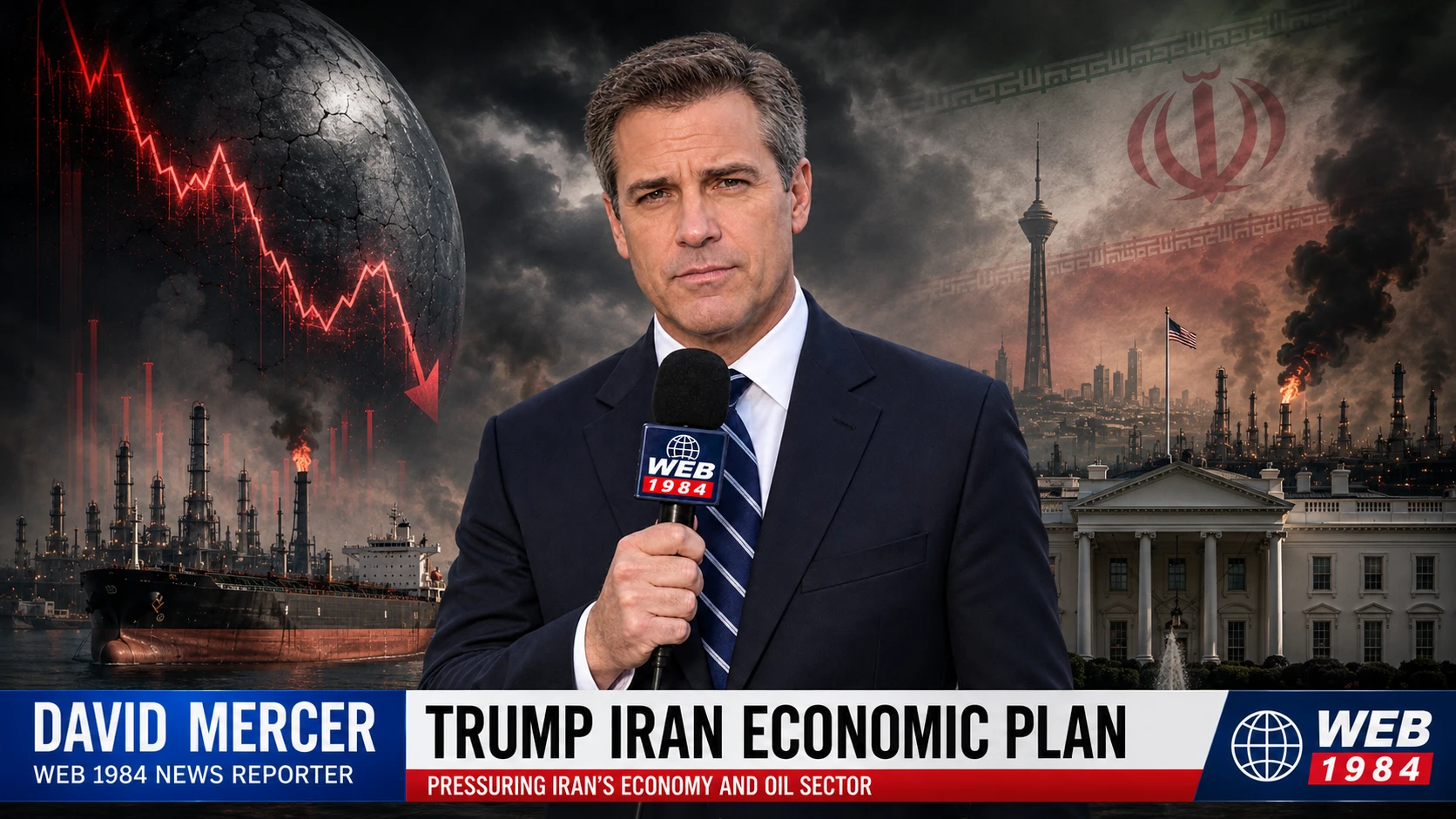
WASHINGTON — President Donald Trump is shifting the United States’ strategy against Iran toward an enormous campaign of financial pressure, threatening not only Tehran but also governments, banks, companies and other entities around the world that continue providing Iran with an economic lifeline.
Trump announced what he called an “Economic D-Day” on August 19, promising an unprecedented campaign of economic warfare and isolation. Treasury Secretary Scott Bessent followed by saying the administration intends to impose what he described as the “toughest sanctions in history.” Details of the next round of measures are expected when Bessent holds a press conference Monday.
The new approach represents another major turn in a conflict approaching the six-month mark. After extensive military operations, failed attempts to produce a lasting diplomatic settlement and continuing disputes over Iran’s nuclear program and the Strait of Hormuz, the administration is now betting that economic pressure can accomplish what military force and negotiations have so far failed to deliver.
Trump’s Plan Goes Beyond Sanctioning Iran
The central feature of the strategy is the threat of secondary sanctions.
Instead of only blocking Iranian companies or officials from accessing the American financial system, Washington is threatening consequences against foreign businesses and countries that continue helping Iran sell oil, transfer money, obtain goods or move cargo.
Trump specifically warned that financial institutions, businesses, airports and government entities that provide Iran with a “lifeline” could face U.S. economic consequences. His announcement also singled out oil smuggling, cash transfers, exchange houses, ship registries and front companies — mechanisms Washington says Tehran has used to work around existing sanctions.
Bessent described the policy as a combination of the existing U.S. blockade and a new level of sanctions enforcement.
The Treasury secretary said Washington plans to pressure allies and other countries to choose between continued economic relations with Iran and maintaining unrestricted access to the American financial system.
That could give the campaign considerably more power than simply adding additional Iranian officials or companies to a sanctions list.
Iran’s Oil Revenue Is the Main Target
Oil remains one of Iran’s most important sources of foreign currency, making petroleum exports an obvious target.
The impact of the existing pressure campaign is already becoming visible.
Iranian crude shipments have dropped dramatically since the war began. Reuters reported that Iranian shipments fell to roughly 534,000 barrels per day in August, compared with an average of approximately 1.4 million barrels per day in 2025. Iranian oil available to Chinese buyers for September and October has also become increasingly scarce.
China is especially important.
Based on 2025 shipping data cited by Reuters, China purchased more than 80% of Iran’s shipped oil, meaning any American effort to suffocate Iranian petroleum revenue eventually confronts a difficult question: How far is Washington prepared to go against Chinese companies and financial institutions?
China has rejected unilateral sanctions and continues to argue that negotiations, rather than financial coercion, are the proper way to resolve the confrontation.
That creates one of the biggest tests of Trump’s strategy. Sanctions become far more effective if major countries cooperate. If large buyers continue purchasing Iranian products through alternative payment structures, middlemen and front companies, Tehran may retain enough revenue to survive.
Iran Is Already Under Severe Economic Pressure
Even before the newest sanctions are announced, Iran’s economy is struggling.
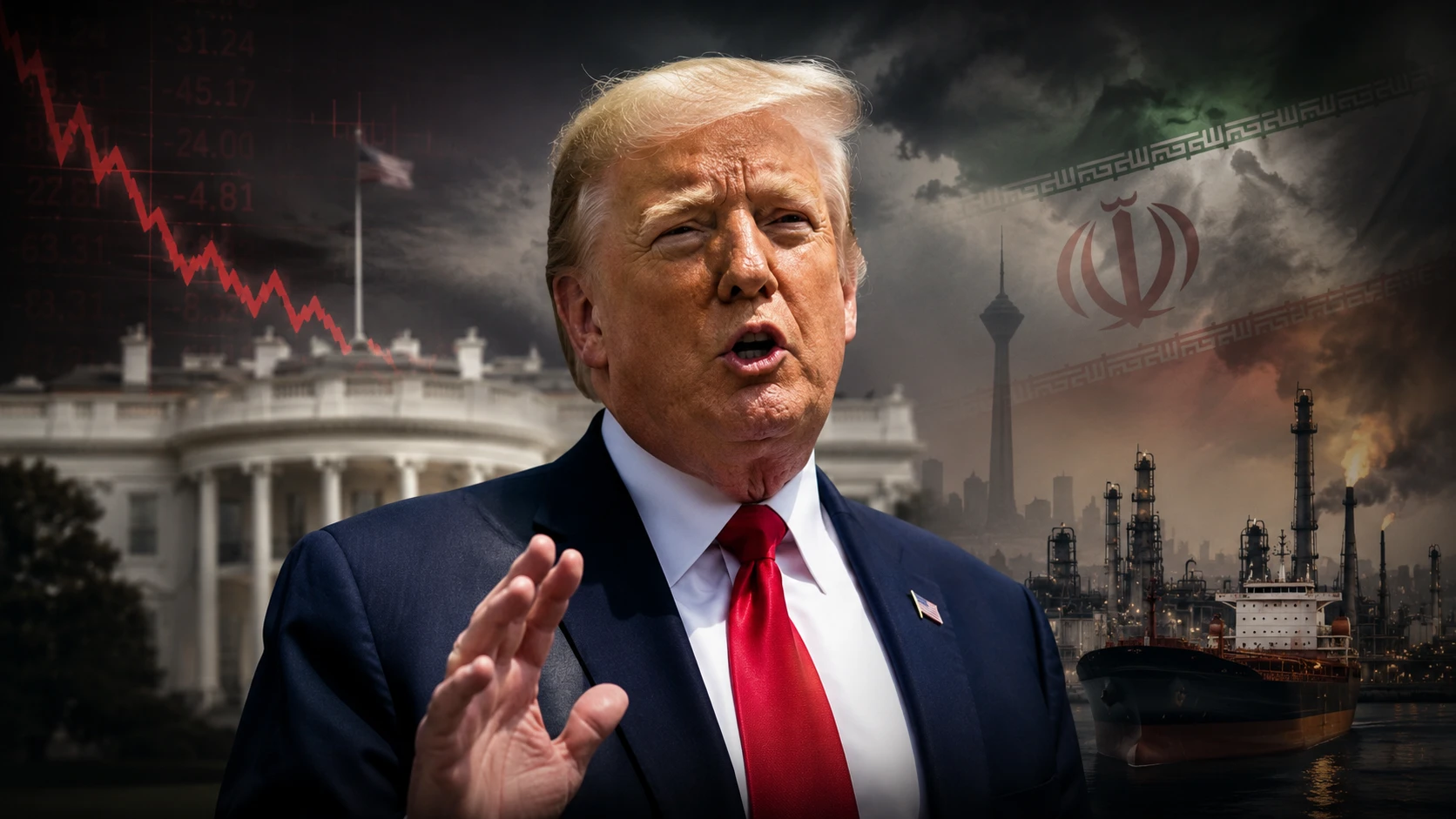
Reuters reported that inflation reached approximately 66% in July, while food prices had increased much faster. War damage, restrictions on exports, a weakened currency, unemployment and disruptions to international trade are intensifying the pressure on Iranian households.
The Associated Press reported that many Iranian families are cutting back on meat, fruit and other basic expenses despite stores continuing to carry products. Economic forecasts cited by AP have pointed toward inflation approaching 70% and an economy contracting by more than 5%.
The Trump administration believes that this vulnerability presents an opportunity.
Bessent has gone as far as predicting that the combined blockade and sanctions could ultimately cause the Iranian government to collapse. That is the administration’s forecast — not an established outcome — and history provides reasons for caution.
Iran has lived under varying degrees of U.S. economic sanctions for decades and has developed sophisticated methods for avoiding them.
Those methods have included front companies, informal financial networks, ship-to-ship transfers, exchange houses and a so-called shadow fleet of tankers used to obscure the origin and destination of petroleum shipments. U.S. Treasury assessments have previously documented Iranian shadow-banking and commercial networks operating through locations including China, Hong Kong and the United Arab Emirates.
So the question is not simply whether Washington can damage Iran’s economy.
It clearly can.
The harder question is whether that damage will become great enough — and happen quickly enough — to force Iran’s leadership to accept American demands.
The Strait of Hormuz Gives Tehran Leverage
Iran also possesses an economic weapon of its own: the Strait of Hormuz.
Before the war, roughly one-fifth of internationally traded oil and natural gas moved through the strategic waterway. Shipping has since collapsed.
Reuters reported that traffic fell as low as six vessels on August 10, compared with roughly 130 to 140 ships before the war.
Iran has continued restricting access while demanding concessions from Washington.
On Saturday, Tehran granted special permission for several Iraqi oil tankers to pass through Hormuz, illustrating how much influence Iran currently exercises over the waterway.
That creates a dangerous economic contest.
The United States can try to choke off Iranian oil exports.
Iran can make it more difficult for other Middle Eastern producers to move their oil to world markets.
And consumers thousands of miles away can end up paying the price.
Oil markets have already reacted to the latest American threats. Prices climbed to a more than three-week high following the administration’s announcement of intensified sanctions.
Pressure Is Also Building Around Iran
Iran is facing another problem: some of the commercial routes it previously depended upon are narrowing.
The United Arab Emirates — historically an important regional trading and re-export hub for Iranian commerce — recently suspended trade and financial transactions with Iran after accusing Tehran of renewed missile attacks. Iran disputed responsibility.
If other governments follow the UAE and restrict Iranian trade, Washington could succeed in closing some of the gaps Tehran previously used to blunt U.S. sanctions.
But obtaining broad international cooperation could prove difficult.
Trump has simultaneously pressured and criticized several governments whose assistance would be valuable in enforcing such a campaign. A sanctions regime designed to isolate a major country works best when allies enforce it together rather than when businesses simply relocate transactions through countries refusing to cooperate.
Iran Rejects Washington’s Strategy
Iran has publicly dismissed the new American pressure campaign.
Tehran condemned plans for additional sanctions Saturday and argued that the measures violate international law. Iranian officials maintain that the United States cannot force the country into surrender through economic punishment.
Iranian President Masoud Pezeshkian has acknowledged serious economic difficulties while also calling for diplomacy.
There is nevertheless little evidence that Iran is prepared to accept Washington’s central demands, including restrictions on its nuclear program.
And despite extensive damage to Iranian military capabilities, U.S. officials and outside analysts continue to assess Iran as capable of conducting missile and drone operations.
The Biggest Question May Be Trump Himself
Trump’s latest strategy could theoretically become more damaging than previous sanctions because Iran is no longer entering the confrontation with an intact economy and infrastructure.
It has already endured months of warfare, disrupted petroleum exports, a blockade, damaged military and industrial facilities and severe inflation.
Economic pressure layered on top of those conditions could push Tehran into territory that previous sanctions campaigns never reached.
But economic warfare generally takes time.
That is why the second half of the question raised by Trump’s latest strategy may prove more important than the first: Will he stay with it long enough for it to work?
Trump has repeatedly changed tactics during the Iran confrontation — alternating among military strikes, negotiations, threats of escalation and economic pressure. The approaching November midterm elections add another constraint, particularly if higher energy prices begin hurting American consumers and the broader economy.
Iran understands that political timetable.
Tehran does not necessarily have to defeat the United States economically or militarily. Its strategy could simply be to survive long enough for American political pressure, energy costs or changing strategic priorities to push Washington toward another negotiation.
Monday Could Reveal How Serious the Campaign Really Is
For now, some of the most important details remain unknown.
Bessent is scheduled to explain the administration’s next economic moves Monday.
The scope of those measures will show whether “Economic D-Day” represents primarily tougher enforcement of existing sanctions or a genuinely new attempt to force governments, banks, insurers, shipping companies and petroleum buyers around the world to abandon Iran.
The most consequential question will be how aggressively Washington treats countries that refuse.
Targeting small trading companies is one matter.
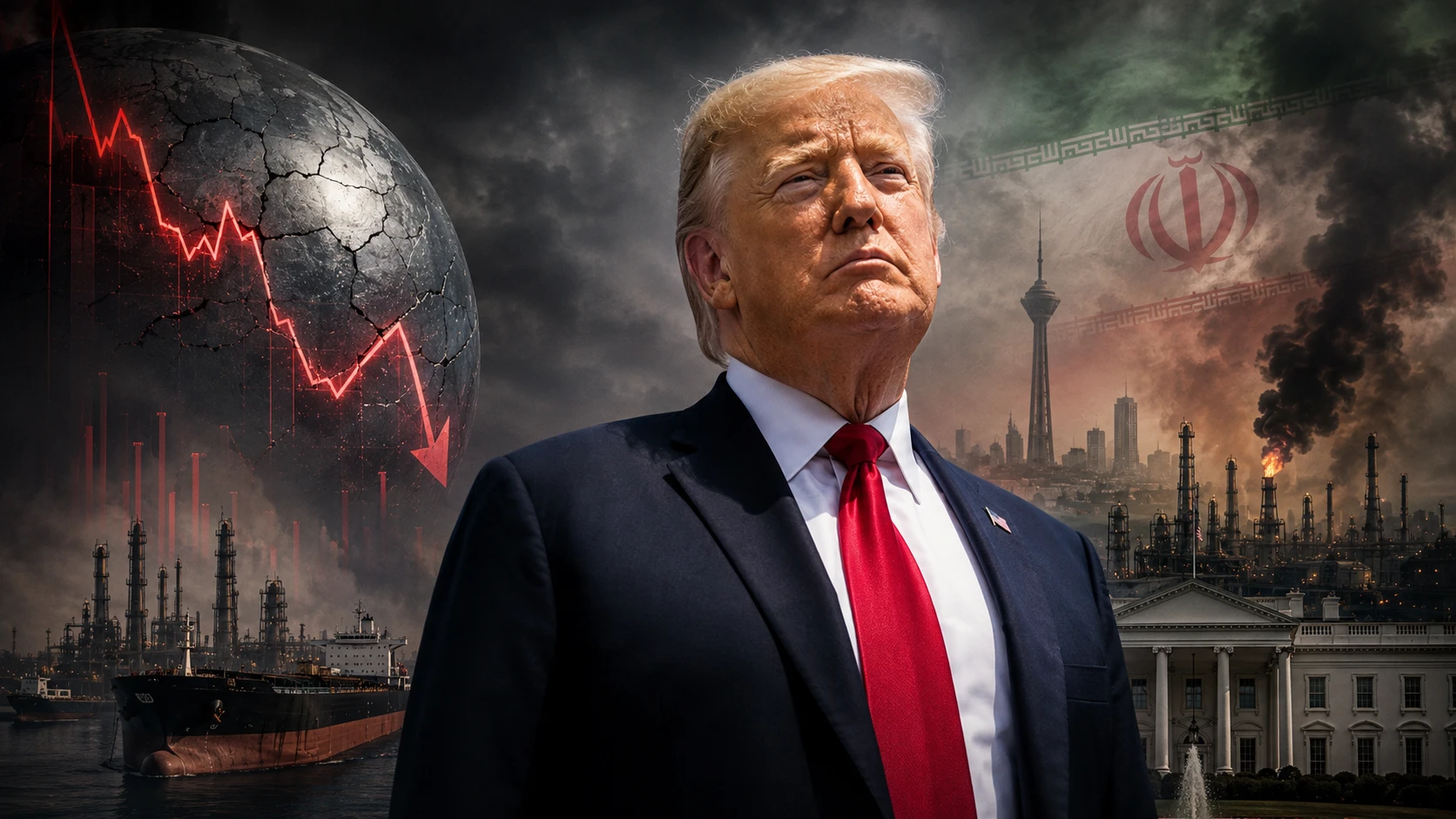
Threatening major Chinese banks or other large international financial institutions is something entirely different — and could trigger economic retaliation far beyond Iran.
Trump is betting that the United States possesses enough financial power to make doing business with Iran too dangerous for the rest of the world.
Iran is betting that it can survive the punishment, evade enough restrictions and use control over regional shipping to force Washington to reconsider.
After nearly six months of conflict, the battlefield is increasingly becoming financial.
Whether that financial war finally produces a settlement — or simply opens another chapter in an already costly confrontation — remains unresolved.



Be the first person to comment.